1. Traditional Clothing and Attire:
Traditional Venezuelan clothing reflects the country’s diverse cultural influences, blending
indigenous, Spanish, and African styles. While modern clothing follows global fashion trends,
traditional attire is often worn during festivals and national celebrations.
One of the most iconic traditional outfits is the Liqui Liqui, a formal suit worn by men,
consisting of a buttoned-up jacket with a high collar and matching trousers, often made from
linen or cotton. This outfit is commonly worn during cultural events, folk dances, and patriotic
celebrations. Women traditionally wear colorful skirts and blouses, with Flamenco-style dresses
often used in folk performances.
During Carnival and local festivals, Venezuelans wear elaborate costumes with feathers, beads,
and vibrant colors, reflecting the joyful spirit of the celebrations. Indigenous communities,
particularly in the Amazon region, have their own unique attire made from natural fibers,
feathers, and beads, preserving their ancestral traditions.
Spanish is the official language of Venezuela, but indigenous languages such as Warao, Wayuu, and
Pemon are still spoken by indigenous groups. Venezuelan Spanish has distinctive slang and
expressions that set it apart from other Latin American dialects.
Venezuela has a rich literary heritage, with writers who have made significant contributions to
Latin American literature. Rómulo Gallegos, one of the country’s most famous novelists, is known
for *Doña Bárbara*, a classic novel exploring the conflict between civilization and the untamed
Venezuelan plains. Andrés Eloy Blanco, a celebrated poet, is famous for his works that reflect
Venezuela’s social and political realities. Teresa de la Parra is another notable writer, whose
novel *Ifigenia* critiques the societal expectations of women in early 20th-century Venezuela.
Venezuelan literature often explores themes of national identity, political struggles, and the
relationship between humans and nature, making it a powerful reflection of the country’s history
and culture.
Music and dance are integral to Venezuelan culture, with diverse rhythms and styles reflecting
the country’s multicultural influences.
Joropo, Venezuela’s national dance and music genre, originated in the plains region and is
performed with instruments like the harp, cuatro (a small guitar), and maracas. Joropo is a
lively dance, characterized by fast footwork and graceful movements.
Salsa and merengue are also widely popular, influenced by the Caribbean musical traditions. In
coastal regions, Afro-Venezuelan rhythms like tambor are common, featuring energetic drumming
and dance, particularly in towns with a strong African heritage.
Another important genre is Gaita zuliana, a folk music style from the Zulia state, traditionally
played during the Christmas season. This lively music features drums, maracas, and singing,
creating a festive atmosphere during the holidays.
In addition to traditional music, Venezuela has contributed to Latin American pop and rock, with
artists like Franco De Vita and Ricardo Montaner achieving international fame.
Venezuelan festivals are grand and vibrant, celebrating religious, cultural, and historical
traditions.
Carnival is one of the most exciting celebrations in Venezuela, marked by colorful parades,
music, and dancing in cities such as Caracas, Carúpano, and Puerto Cabello. People dress in
elaborate costumes and participate in street parties, creating an atmosphere of joy and
festivity.
Another major event is Feria de la Chinita, a religious and cultural festival held in Maracaibo
in honor of the Virgin of Chiquinquirá, the patron saint of Zulia. The celebration includes
processions, music, and fireworks, drawing thousands of participants each year.
Semana Santa (Holy Week) is an important religious festival observed with processions, prayers,
and reenactments of biblical events. Many Venezuelans travel to the countryside or coastal areas
to celebrate Easter with family and friends.
In December, Navidad (Christmas) and Año Nuevo (New Year’s Eve) are celebrated with family
gatherings, traditional foods like hallacas (Venezuelan tamales), fireworks, and music. The
holiday season also includes Parrandas Navideñas, where groups of people sing Christmas songs
while visiting homes, similar to caroling.
Religious and indigenous ceremonies are also part of Venezuelan culture. The Danza de los
Diablos de Yare is a unique Afro-Venezuelan festival where dancers wear devil masks and perform
rituals to symbolize the struggle between good and evil.
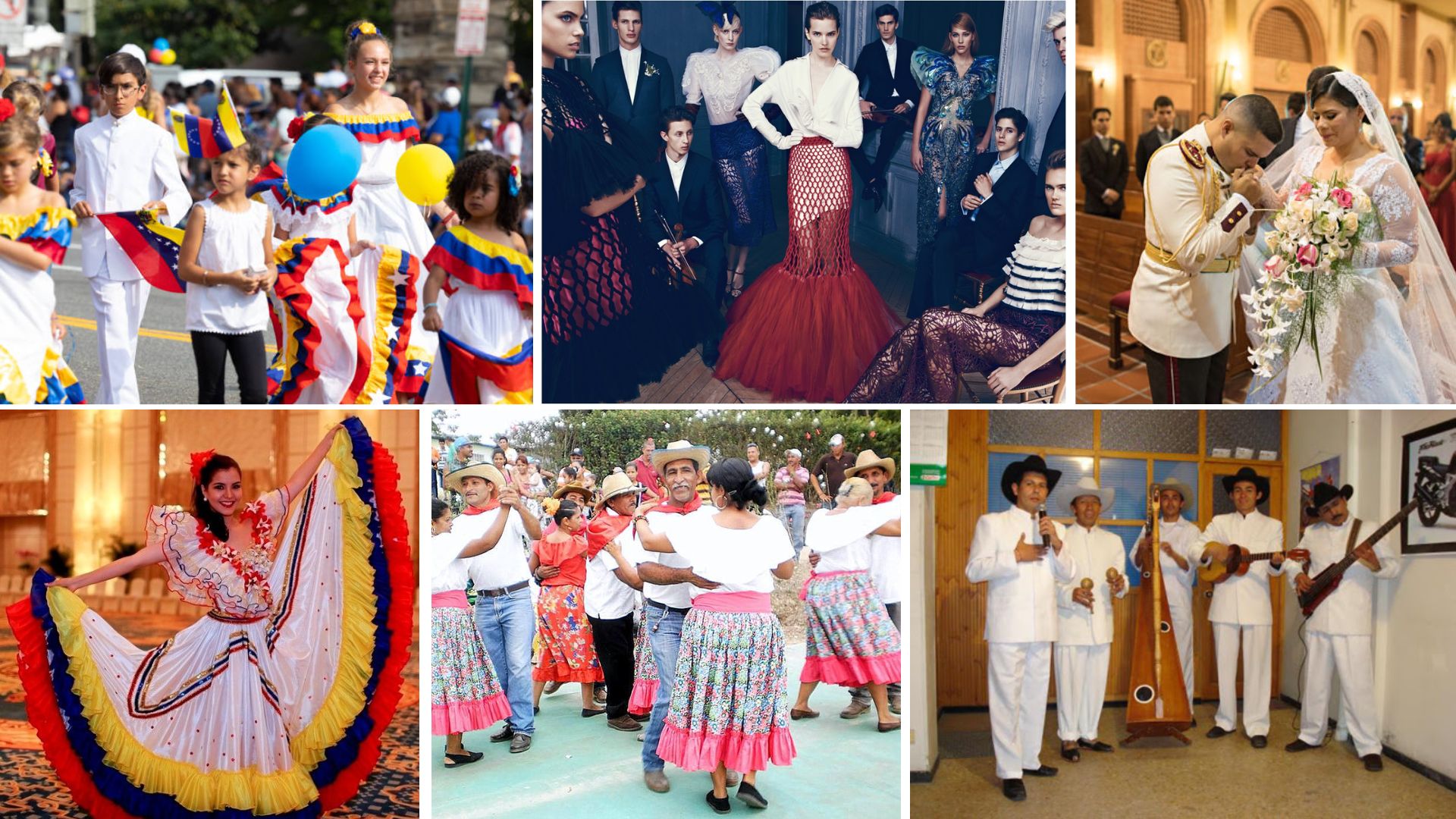
Venezuela Clothing
Venezuela’s fashion and clothing reflect its cultural diversity and regional influences. In urban areas, Venezuelans typically wear modern, Western-style clothing, with jeans, t-shirts, and lightweight fabrics being popular due to the tropical climate. The country has a growing fashion industry, blending traditional and contemporary styles. In rural areas, traditional attire is more common, especially during festivals. The Liqui Liqui, a formal suit for men, is an iconic Venezuelan outfit, often worn on special occasions. Indigenous communities in the Amazon region continue to wear garments made from natural fibers, decorated with beads and feathers. Festival attire highlights Venezuela’s indigenous, African, and Spanish heritage, preserving the country’s rich cultural traditions.
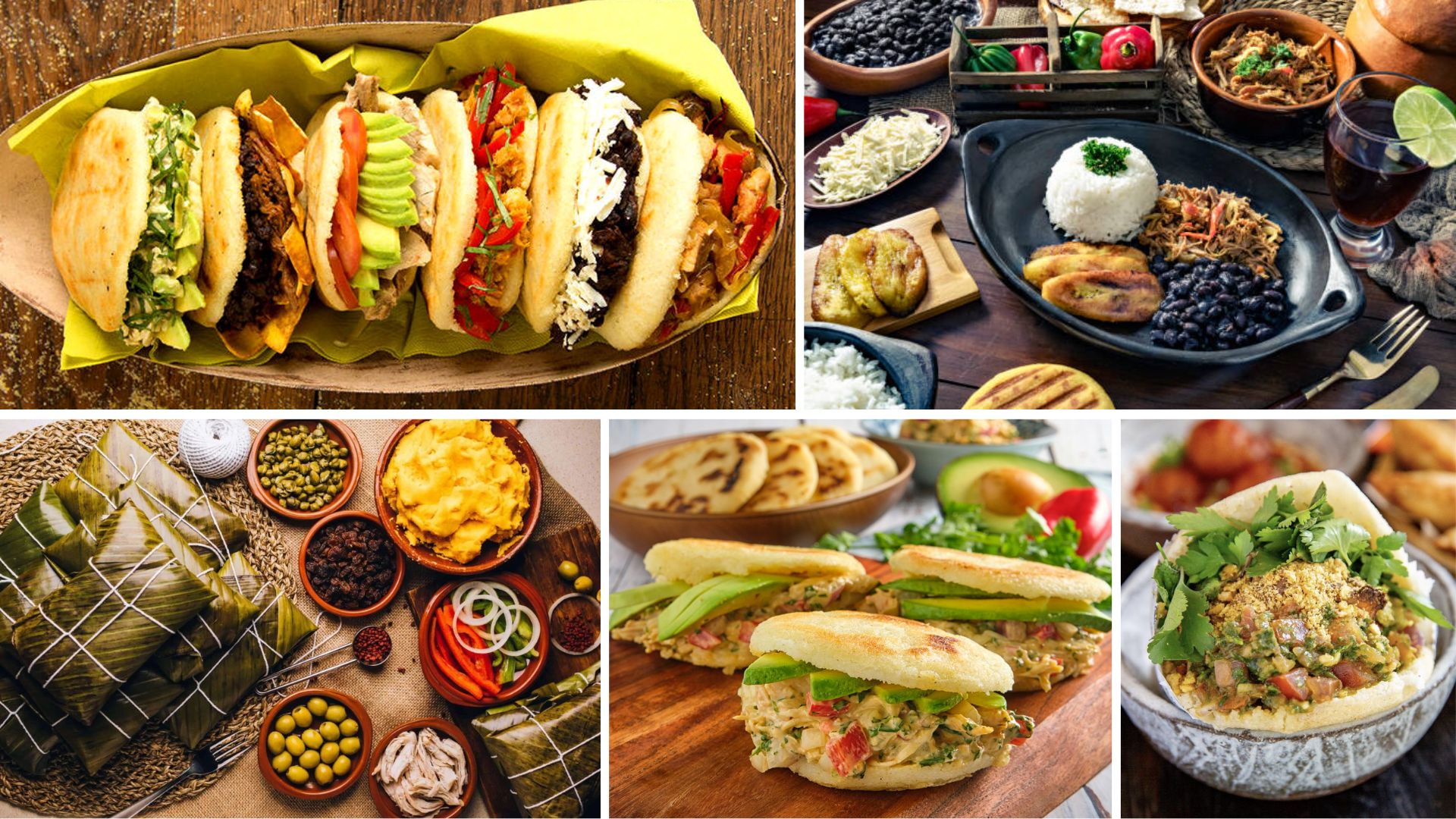
Venezuela Food
Venezuelan cuisine is a rich blend of indigenous, African, and Spanish influences, with each region offering distinct flavors. Arepas, round cornmeal cakes, are the national staple, often filled with cheese, meat, or beans. The Pabellón Criollo, Venezuela’s national dish, consists of shredded beef, black beans, rice, and fried plantains. In the coastal regions, seafood dishes like cazón (shark stew) are popular. The Andean region is known for hallacas, a tamale-like dish wrapped in banana leaves and enjoyed during Christmas. Venezuelan street food includes empanadas, tequeños (cheese sticks), and cachapas (corn pancakes). Dulce de lechosa (candied papaya) and quesillo (Venezuelan flan) are beloved desserts. Every dish in Venezuela reflects the country's diverse heritage and culinary traditions.
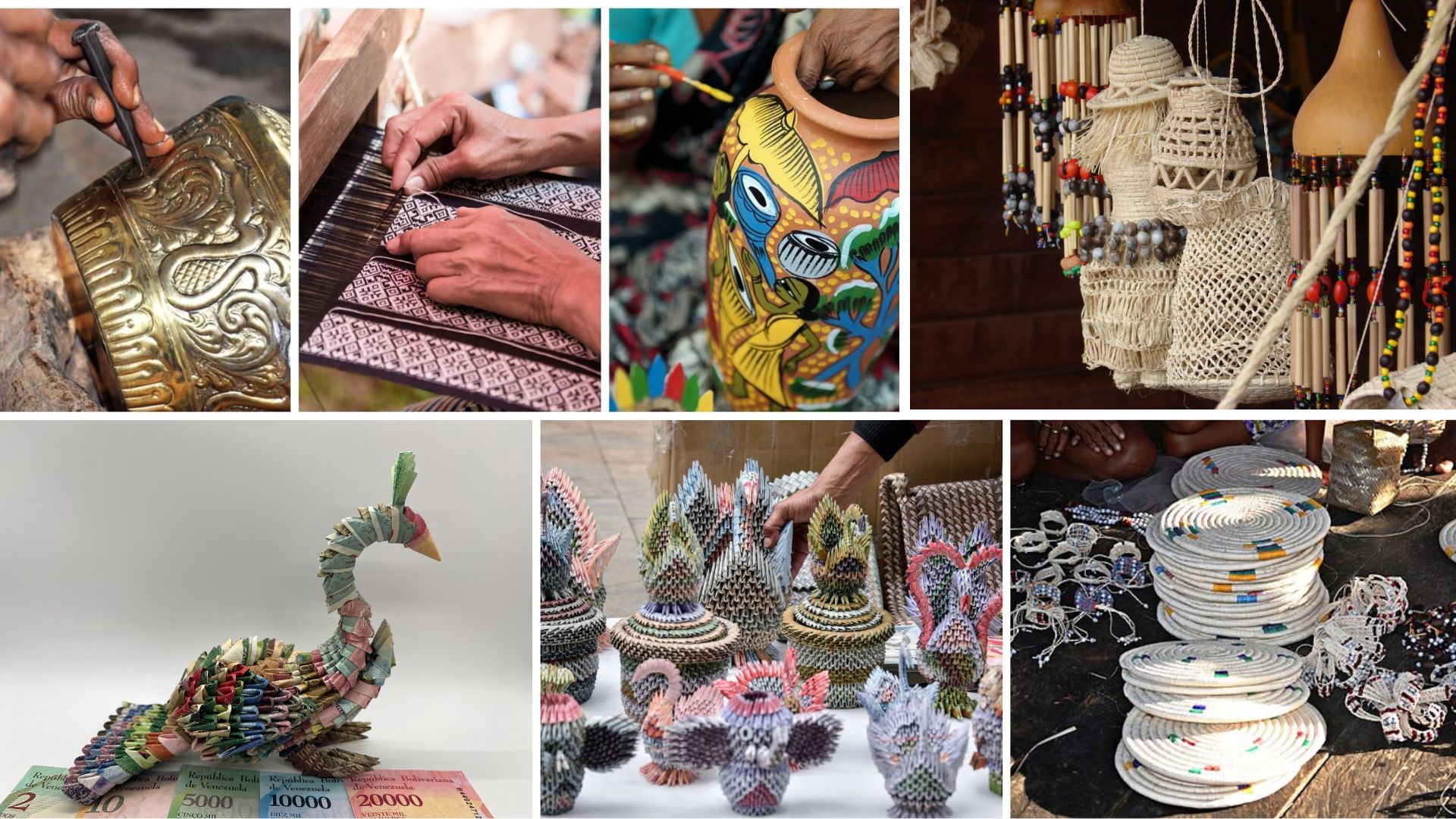
Venezuela Art
Venezuela has a rich tradition of arts and crafts, influenced by its indigenous, African, and Spanish heritage. Handicrafts such as wood carvings, ceramics, and woven baskets are widely produced in rural areas and by indigenous communities. These crafts, often made from natural materials, are highly valued for their intricate designs and cultural significance. Venezuelan artisans are known for their use of bright colors, particularly in pottery, hammocks, and beadwork. The country’s street art is also a growing cultural expression, especially in cities like Caracas, where murals often depict historical and social themes. Venezuela’s urban art scene continues to expand, with local artists gaining recognition for their creative and powerful graffiti works.
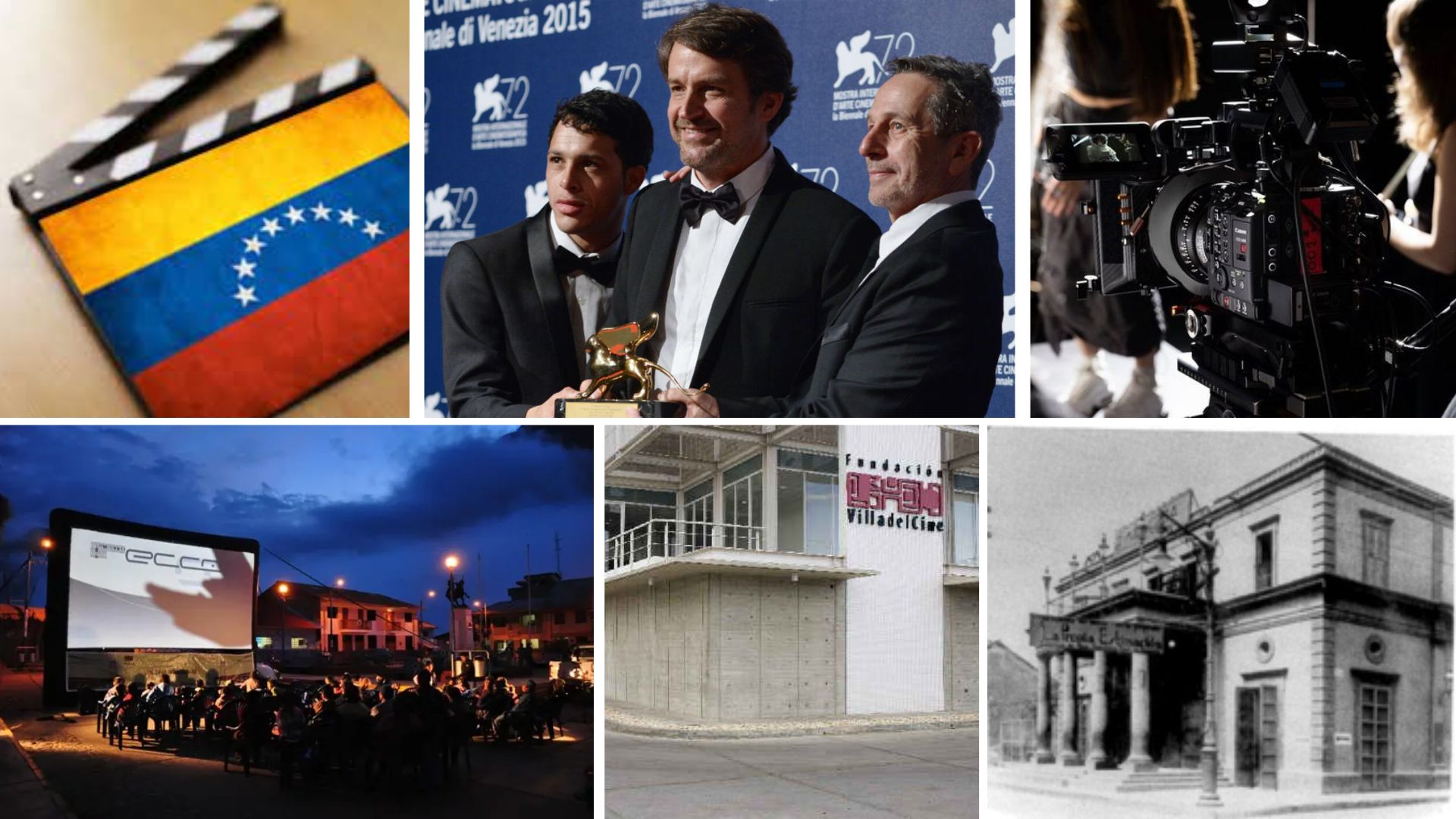
Venezuela Film Industry
The Venezuelan film industry emerged in the mid-20th century, focusing on social and political issues that shaped the nation. Directors like Román Chalbaud gained recognition for films highlighting inequality and struggles of the working class. In recent years, Venezuelan cinema has continued to grow, producing acclaimed films like From Afar (Desde Allá), which won the Golden Lion at the Venice Film Festival, and The Liberator (Libertador), a historical drama about Simón Bolívar. Venezuelan filmmakers often explore themes of political unrest, migration, and social hardship, offering a powerful perspective on the country's realities and cultural identity.
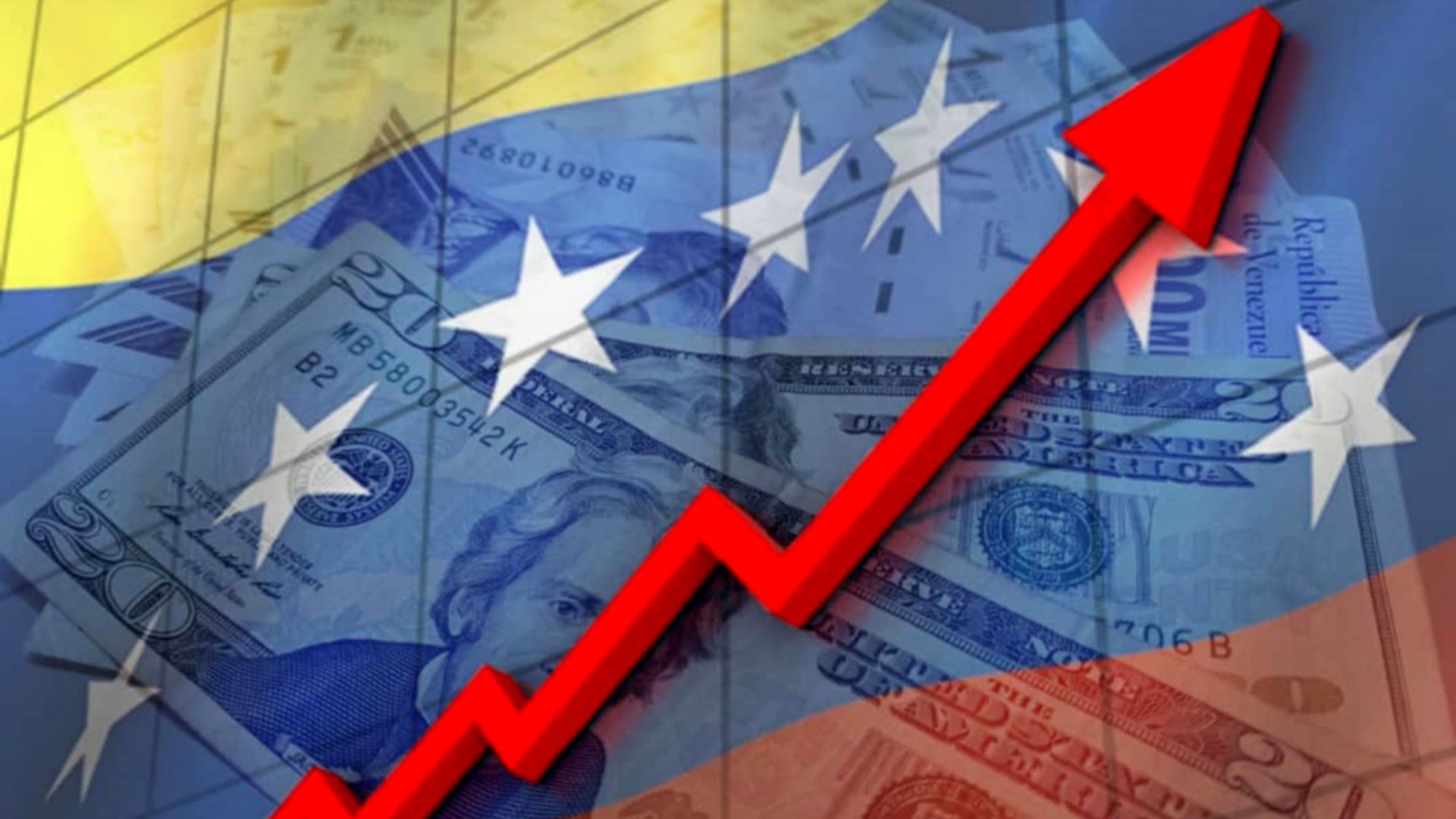
Venezuela Economy
As one of the most resource-rich countries in South America, Venezuela has historically played a key role in the global market. The country possesses some of the world’s largest oil reserves, making petroleum its primary export. Venezuela also has significant gold, natural gas, and bauxite resources. Agriculture contributes to the economy with exports like coffee, cocoa, and tropical fruits. However, the nation faces major challenges, including economic instability, hyperinflation, and political uncertainty. Sanctions and mismanagement have further strained economic growth. Despite these difficulties, Venezuela's vast natural resources and strategic location provide opportunities for recovery and future development.